
The Sankofa Method

Reclaim. Reorganize. Multiply.

The Method is a discipline. It is applied without variation, because its rhythm is what carries the institution through the personalities and programmes that pass through it.

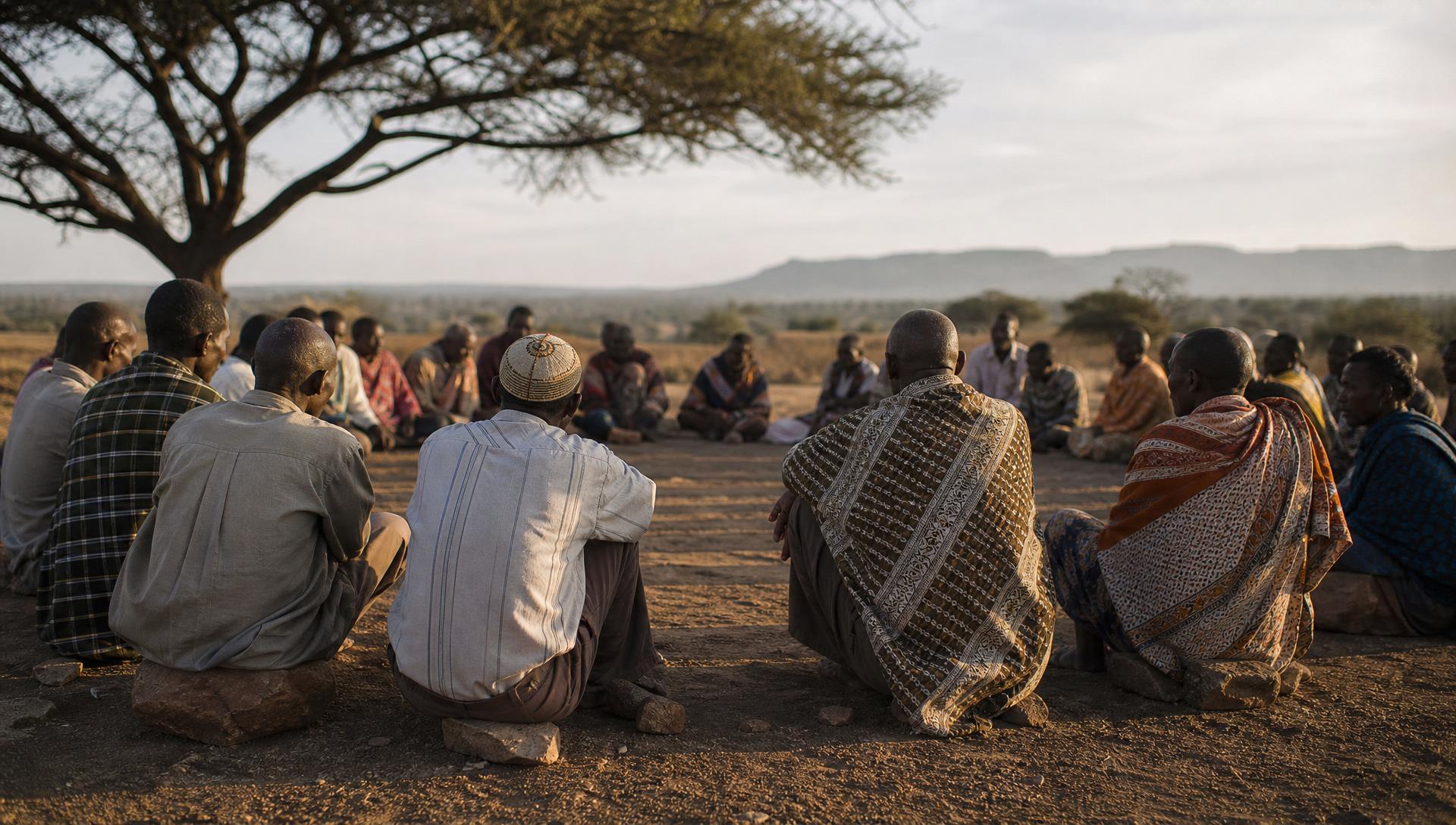
Community elders and younger members seated in a listening circle beneath an acacia tree
Listen — the rhythm that precedes every engagement. Attention before intervention.

The Method is composed of four rhythms. The first — Listen — is preparatory: it is the discipline of attention that precedes every engagement. The three named rhythms — Reclaim, Reorganize, Multiply — form the triad by which every programme is judged.

  1. 01

    Rhythm I

    Listen

  2. 02

    Rhythm II

    Reclaim

  3. 03

    Rhythm III

    Reorganize

  4. 04

    Rhythm IV

    Multiply

01 · Rhythm I

Listen

Before intervention, there is attention.

Listening is the discipline that precedes every Sankofa engagement. It refuses the diagnostic reflex — the impulse to explain a community to itself. It asks instead what capability is already present, what practices already work, and which institutions already hold the community together. Listening is a structural act, not an emotional one. It changes who is treated as the source of authority.

02 · Rhythm II

Reclaim

What was always there is named, honoured, and made legible.

Reclaim is the recognition of existing capability: of knowledge held by elders, of practices sustained by women's collectives, of governance carried by community institutions. Reclaiming does not create; it acknowledges. It refuses the erasure that comes from measuring African life against foreign templates. The act of naming what is already present shifts the centre of gravity of a programme.

03 · Rhythm III

Reorganize

Reclaimed capability is placed in a structure that lets it thrive.

Reorganize is where philosophy becomes architecture. It is the design of relationships, roles, evidence flows, and institutional forms that let recognised capability compound rather than dissipate. Reorganisation is patient: it prefers durable local institutions to charismatic short programmes, and legible ownership to opaque partnerships.

04 · Rhythm IV

Multiply

What has been reorganised carries itself beyond the original site.

Multiplication is the true measure of success. It is not delivery, not reach, not spend. Multiplication asks whether the pattern travels: whether it can be picked up by a neighbouring community, a national institution, or a partner organisation and continue to grow without Sankofa's presence. A programme that cannot be handed over was never truly finished.

The Method in practice

How the rhythms behave in a real engagement.

Two worked illustrations, drawn from the Alliance's practice and published in a form the communities described could read and contest. Each ends where the Method insists it must: with what continued after the work.

Context

A farming district where a proposed programme would have introduced an external seed and input package.

Listen
Six weeks of attention before any design: who already advises farmers here, which seed is already saved, and which institutions hold the calendar of the season.
Reclaim
A named record of the seed varieties, storage practices, and advisory relationships already carrying the district — held by the farmers' association, not by the programme.
Reorganize
The advisory relationships were formalised into the association's own structure, with an evidence flow the association controls and can show to buyers and lenders.
Multiply
Two neighbouring districts adopted the record and advisory pattern directly from the association, without Sankofa's involvement.

The association still holds the evidence, the relationships, and the decision to continue.

Context

A research partnership where findings about a community would ordinarily have left with the researchers.

Listen
Asking first who in the community already documented change, and in what form they used it.
Reclaim
Existing community records were treated as primary evidence rather than as background colour.
Reorganize
Consent, authorship, and the archive itself were placed with the community institution, with the research partner holding a copy under stated terms.
Multiply
The community now negotiates with new partners from a position of holding its own record.

The community can contest, correct, and withdraw the evidence that describes it.